
Health and wellbeing are now front and centre of the employee experience and fast becoming a critical factor in talent acquisition and retention.
This is especially true in the retail industry, whose employees have had to face massive amounts of uncertainty during the pandemic and genuine concerns about their personal safety.
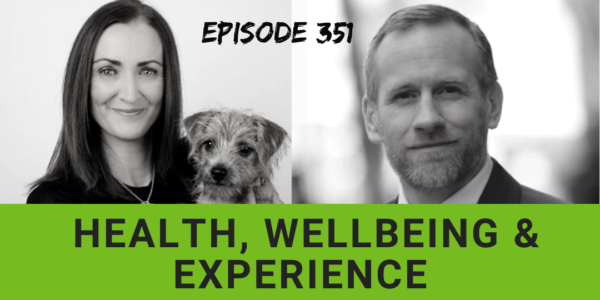
Next week retail industry charity retailTRUST is holding an online event to champion the health and wellbeing of the retail workforce following the reopening of non-essential shops across the UK. As part of the build-up to the event, I spoke to Chris Brook-Carter, CEO of retailTRUST and Louise Stonier, Chief People Officer at Pets at Home, about the renewed focus on health and wellbeing in the employee experience.
In the interview, we discuss:
▪ The work of retailTRUST and how it has been supporting the industry during the pandemic
▪ What is essential to retail employees right now
▪ The vital importance of transparent and clear communication
▪ Building a coalition of employers to champion health within the sector
▪ Retail as a post-pandemic force for good
▪ How health and wellbeing are now critical for talent acquisition and retention
Listen to this podcast in Apple Podcasts.
Transcript:
Matt Alder [00:00:00]:
Support for this podcast is provided by Totaljobs. For over 20 years, Totaljobs has been helping UK businesses hire the people they need. That’s why their customers rate them as excellent on trustpilot. But it doesn’t stop there. Through their expansive global network, you can recruit the people you need wherever you need them. With coverage in 140 countries worldwide, Totaljobs provide you with the best of both worlds. A global player with a local touch, committed to powering your international success. So if you’re looking to grow your team, do it with a team you can trust. Total jobs. Visit totaljobs.com hiring to find out more and get started today.
Matt Alder [00:01:05]:
Hi everyone, this is Matt Alder. Welcome to episode 351 of the Recruiting Future podcast. Health and well being are now at the front and center of the employee experience and fast becoming a critical factor in talent acquisition and retention. This is especially true in the retail industry, whose employees have had to face massive amounts of uncertainty during the pandemic. Genuine concerns about their personal safety. Next week, retail industry charity Retail Trust is holding an online event to champion the health and well being of the retail workforce following the reopening of non essential shops across the uk. As part of the build up to the event, I spoke to Chris Brook-Carter, CEO of Retail Trust and Louise Stonier, Chief People Officer at Pets at Home, about the renewed focus on health and well being in the employee experience. Hi Louise.
Matt Alder [00:02:06]:
Hi Chris.
Matt Alder [00:02:07]:
Welcome to the podcast.
Matt Alder [00:02:08]:
Absolutely brilliant to have you on the show. Could you just introduce yourselves and tell us what you do?
Chris Brook-Carter [00:02:16]:
Absolutely. Hi, Matt Graham. Great to be on here.
Chris Brook-Carter [00:02:18]:
Thanks so much for the invitation.
Chris Brook-Carter [00:02:20]:
I’m Chris Brook Carter, the Chief Executive.
Chris Brook-Carter [00:02:22]:
Of the Retail Trust. Retail Trust is the largest charity within the sector looking after the health and well being of everyone involved in the industry. It’s been around since 1832 and has.
Chris Brook-Carter [00:02:35]:
Since then been at the heart of.
Chris Brook-Carter [00:02:36]:
How the industry cares for and protects.
Chris Brook-Carter [00:02:38]:
And improves the lives of its most.
Chris Brook-Carter [00:02:40]:
Valuable asset, its people.
Louise Stonier [00:02:42]:
Hi Matt. Hi everybody. It’s great to be here. So I’m Louise Stonier and I’m the Chief People and Culture Officer at Pets at Home, which is the largest pet care business in the uk. I’m responsible for the people strategy, but also for our ESG strategy which is very much a part of our culture and we’re calling that our better world pled and a key part of that is our people pillar and a key part of that is well being of our people.
Matt Alder [00:03:12]:
It’s been a very disruptive and incredibly challenging time for everyone over the last 18 months. But in particular, I’m sure for people working in retail. To put this question to Louise first, what has the pandemic been like for your organization and your employees and how have you had to support people?
Louise Stonier [00:03:33]:
So I think it’s been very different for different retailers depending upon the situation that you were placed in. We were designated as an essential retailer right at the start, which meant that our colleagues on the front line still were going into store at the very start. Vi del Back this time last year, when we were in lockdown, a lot of people working from home, our colleagues were going into store day in, day out and that was obviously very daunting for them. It was quite an anxious time for them. We prioritized very early on. Our number one priority was keeping our colleagues, our customers and our pets safe. And we very much energised and motivated all of our colleagues really around that one priority, which was first and foremost and really communicated down from our leaders. And I think they’ve had to deal with a tremendous amount and that’s including our colleagues as well in the support office who suddenly found themselves their normal way of working, being at home and having to juggle in many things such as caring responsibilities. And it was a tricky time at the start because there was a huge amount of government guidance coming down the line. By the afternoon, it seemed to change every afternoon. And one of the things that we did very well at the start was that clear communication and that constant communicating with urgency, really real transparency and honesty.
Matt Alder [00:05:08]:
It’s obviously been a really, a really challenging time. Chris, how have other organizations been finding it? What sort of things have you been focusing on as an organization during Pandemic?
Chris Brook-Carter [00:05:20]:
Absolutely. Well, as a charity, we’ve had to.
Chris Brook-Carter [00:05:22]:
Respond to an incredible demand, in increasing demand for our services since the start of the pandemic. We offer access to mental health support and financial support to those working within the industry. I think we gave out about £800,000 in non repayable grants in the last 12 months to those who found themselves in financial distress, which is something like 125% increase year on year. And we conducted around 7,000 counseling sessions for retail colleagues up and down the country, which again, I think was up about 164% year on year. And as Louise said, staff across the country, whether they’re in DCs, whether they’re driving vans Whether they’re at the storefront or in headquarters, have faced an extraordinary sort of coming together of.
Chris Brook-Carter [00:06:16]:
Factors that.
Chris Brook-Carter [00:06:16]:
Have increased anxiety, depression and mental health issues. Whether it’s the fear of falling unwell.
Chris Brook-Carter [00:06:23]:
Whether it’s the fear of job losses.
Chris Brook-Carter [00:06:25]:
We’ve seen huge amounts of jobs go across the industry in the last 12 months, something like 180,000 I think. And there’s the further threat of redundancies in retailers up and down the country, sadly. So all of this has come together.
Chris Brook-Carter [00:06:37]:
Plus all the things that we’ve been feeling.
Chris Brook-Carter [00:06:39]:
The social disconnection that has gone with the pandemic have come together to make it incredibly difficult for retail workers over the last 12 months. And those things have, as I said, have created unfortunately a bit of a storm of mental health issues for those working in the industry.
Matt Alder [00:06:53]:
We’re obviously entering a different, a different phase now. Certainly in the uk, essential and non essential retail is now open and whilst it feels things are getting back to normal, we’re obviously very far from the normal normal of the beginning of last, last year. Louise, what’s important to your employees now and how are you, how are you supporting them moving forward? Where is everything right now?
Louise Stonier [00:07:20]:
It’s really interesting because I’ve been talking to my buddy stores this week, so each director buddied up with an area during the pandemic. I’ve been chatting through with them about their concerns, you know, what do they see coming down the horizon and it’s just interesting to see where the questions are sort of heading. So things that are sort of on their mind is clearly, you know, what’s going to happen once June 21st arrives? Is that suddenly going to be, you know, no social distancing, masks off and feeling, you know, anxious about that. But then you get different camps that, you know, really want to embrace that. So it’s, I think it’s still a very, very individ. So in their mind very much was what is going to happen and what is that going to look like for them when they’re working in store? And then you’ve got colleagues from support office, from the DCs. How is that going to impact the working environment when they come back into the office? What is that going to look like as well for them? So that’s very much at the forefront of their minds and we’re working through that at the moment, just continuing with that communication, I think that’s been really clear from the start, is letting colleagues know that it’s on our agenda. We might not have the answers yet. But letting them know that we’re looking at it and as soon as that we have, you know, further clarity, we’ll come back to them. But very much taking on board the feedback that we’re getting and building that into the actions that we take, I think that’s been really key is, you know, getting that feedback and showing that, you know, we are building that into, you know, the measures that, that we put in place.
Matt Alder [00:09:06]:
And are you sort of really focusing on the experience that those employees have while they’re at work?
Louise Stonier [00:09:13]:
Yeah, absolutely. I mean, I think, you know, the past 18 months, you know, that that colleague experience has been elevated even more. So, you know, it’s always been important for us at Pets at Home, as it is for many employers, but there’s been a huge spotlight on that experience over the past 18 months. And the other big thing that’s coming through our colleagues is very much wanting to get even more involved in terms of upskilling themselves, particularly in the managers, to be able to have those conversations around mental health. So a big focus of ours is that whole experience in terms of helping our colleagues to really own their well being and what support can we give? Because they do want to be really proactive in that space. We found a real kind of change spotlight on it over the past 18 months.
Matt Alder [00:10:06]:
And Chris, bringing you back in, obviously you talked about what your organization was, was focused on in terms of supporting the industry during the pandemic. What are you seeing now? And what’s, what’s, what’s your, what’s your role now?
Chris Brook-Carter [00:10:20]:
I think Louise has articulated it really well. The key worry for people now is, is the, is the uncertainty and the lack of clarity about what the future holds. And we’re all facing those, those challenges. But obviously with all the jobs that have gone in the sector and the fact that so many retail workers are on the front line, I think that those issues are amplified for workers in the sector. I think if anything good comes out of this, it is the fact that the issue of mental health has been placed squarely at the top of the agenda for the industry. And we’ve been so delighted with the way that the leadership of the sector and Pets at Home are quite fantastic example of that. Having embraced how they look after the mental health of their colleagues going forward, our role now really is to continue to build a coalition of businesses and leaders and brands who want to champion the health of the sector and those people in it. We’ll obviously continue to support individuals and empower them with access to the services that we provide. But again, a big key part of what we’re doing is training the industry. We have a series of workshops, both face to face and online, that leaders within the industry all the way through, from those at the bottom end of the industry all the way through to the C suite, can take part in to help raise the standard and raise the bar of what great leadership looks like around this issue.
Matt Alder [00:11:45]:
Now, everything that sort of that’s happened and the changes that we’ve seen in daily life, inevitably they’re going to have an impact on the retail industry moving forward. Louise, what do you think the future of the industry looks like and how has the pandemic actually sort of changed things in the medium to long term?
Louise Stonier [00:12:10]:
I think the pandemic has really shown retail as a real force for good. There are countless stories that you see of the amazing extra lengths that retailers have gone to to really support their local commun, but also to support their colleagues. I do think that retail does have a real role to play, as Chris just talked about, that coalition, in really rebuilding that resilience back into society, creating jobs and opportunities, because there are still many jobs and opportunities in retail across all different spectrums of different areas. And I think the other big role that retailers have to play is really guiding consumer consumers, you know, as we’re seeing already, in making, you know, real sustainable choices. So I think, you know, building that resilience and that recoverability, particularly into those local communities, you know, is a real role that retailers can play well into.
Matt Alder [00:13:16]:
And do you think that health and wellbeing are absolutely a key part of who you are as a company and your sort of employment brand now?
Louise Stonier [00:13:26]:
Oh, gosh, absolutely. I mean, it’s been a part, you know, for many years. I think there’s just been a huge spotlight on it for, you know, the past 18 months during the pandemic. It’s really interesting. So we have two kind of sets, kind of divisions in our organization because a big part of our pet care business is our veterinary profession as well, you know, operating our stores and standalone. And I was talking to the graduates that we take on, we take on about 80 each year about why they chose us. Why did you choose to come to the vets for pets? Pets at home. And the thing that they all say is because you put wellbeing right at the centre. So when we come for our induction, you’re not talking about anything else first other than how we’re going to help support their well being. So it’s so crucial for that attraction and retention of Talent.
Matt Alder [00:14:17]:
Chris, sort of bringing you in on those questions. What do you think the future of the industry looks like? And what. What should the focus on health and well being be moving, moving forward?
Chris Brook-Carter [00:14:26]:
Well, I think, first and foremost, the retail industry has clearly got a huge role to play in terms of how we build that better. This is the biggest private sector employer in the country. It particularly is the largest employer of young people in the country. So many of the social, economic issues that the country is going to face in terms of how it emerges from this pandemic are going to be met by the retail industry. And clearly people are retail’s greatest asset. So get on out into the market and reminding the country again of what an amazing job the retail industry has done to look after its people, but also reminding the industry what an amazing job retail has done to support the country during this pandemic. Making sure that the essential stores have remained open and all those sorts of things, I think is incredibly important. And health and wellness are part of an agenda now that I think is more and more important in terms of brand recognition. Consumers want to shop at companies that have values that they can identify with. Investors want to be invested in companies that have great values. And as I say, I think health and well being are going to be critical parts of any CSR strategy for retailer at the moment. So I think this is really important, which is why we are so keen to build this coalition, build this set of brands and people who can rally around the retail trust and rally around our cause to champion health, hope and happiness within the industry and really put the retail industry in the kind of spotlight that it deserves as a sector that genuinely cares for and looks after its people.
Matt Alder [00:16:08]:
Fantastic stuff. I mean, that’s absolutely brilliant work that you’re doing. Sticking with you, Chris, and sticking with taking on that, that topic of people as we move forward. What sort of challenges is the retail industry having in terms of attracting, you know, new people to work in, in retail? Is that proving difficult as everyone’s rehiring and what are people sort of doing to deal with those challenges?
Chris Brook-Carter [00:16:32]:
Well, I think there’s no doubt that over the last few years, retail has been through the ringer that, you know, particularly before the pandemic, it seemed every week there was another set of headlines of a company that was going under, or there was some unfortunate association with leadership issues within the industry from certain individuals as well, which didn’t necessarily paint retail in the greatest light. But, as I say, actually, I think the pandemic has shown what a critical industry this is to the UK and has done such an extraordinary job. It’s really been seen as being on the front line, being one of those sectors alongside the nhs, that has allowed the country to keep functioning. And I think that the industry should soothe that and remind the government, remind society of the important role it plays. Many of the retailers have done some outstanding work in their communities. We’ve been supporting in an absolutely fantastic way by so many companies over the last 12 months who have either donated to us or have helped amplify our message. Some of the grocers have helped feed our residents on Sunrise States, where we look after retired retail workers. So there’s been some fantastic work and I really hope that it helps reposition the sector as an industry where young people in particular can have just amazing careers. It’s still one of the most meritocratic industries in the country. You. You genuinely can go from working in a store on a Saturday all the way to being the chief executive of some of the biggest brands in the country. And I hope that this pandemic helps reset that narrative and so reclaims retail’s position as the, you know, is the great industry within the UK that it is.
Louise Stonier [00:18:22]:
Yeah, I just want to echo that, Chris. Absolutely fantastic. Retail has been that platform for social mobility for so many years. As chief executive, Peter Pritchard, he started off as a Saturday colleague, I think he was, at Ms. And has worked his way all the way up. Didn’t go to university, to CEO of our organisations. Just so many fantastic examples of that. I just think, you know, we need to make sure we continue with that.
Matt Alder [00:18:51]:
Louise, as an employer, do you see challenges in talent acquisition ahead? What do you think is going to happen?
Louise Stonier [00:18:56]:
I have to be honest, as, as a retailer, we are not struggling to attract. So as an individual company, we see an abundance of talent out there. I think the challenge is just making sure we’re attracting a real diverse set of talent and making sure we’re tapping into that really wide talent pool that is out there. And there’s lots of different ways that retailers can do that. We’ve partnered with the Prince’s Trust to help us to tap into a widening network of talent. We’re working with them on the Kickstart program and we’ve just launched that scheme because we do know that we’re not necessarily always getting to that diverse talent that we could bring into our organization.
Matt Alder [00:19:45]:
Chris, just as a final question, tell us about the event you’re running next week. What has it involved and how can people connect with it?
Chris Brook-Carter [00:19:53]:
Absolutely. Well, it’s an event to coincide with Mental Health Awareness Month, and the idea of the event is to champion the cause of mental health within the sector. We’ve got content going on for everyone from those that are building strategy within the industry, building a mental health strategy, wellness strategy within their people, all the way down to individuals who want to learn how to improve their mental health, improve their resilience and as well as Louise, who’s joining us next week, you’ll be hearing from around 20 retail leaders, including the chief execs of Morrisons, of ASOS and the British Retail Consortium, and Tony Bell’s former advisor, Alistair Campbell as well, who gives a very candid interview on how he’s dealt with his mental health struggles as well. So it’s a fantastic two days. It’s free to attend to anyone who wants to sign up. And the hope is, as I say, that it allows us to amplify our message, help individuals deal with their mental health and really continue to raise the debate and the standard of the conversation around mental health, to put it squarely at the way that the retail industry conducts itself.
Matt Alder [00:21:03]:
Chris and Louise, thank you very much for joining me.
Louise Stonier [00:21:05]:
Oh, you’re welcome. Thank you.
Matt Alder [00:21:08]:
My thanks to Chris and Louise. You can subscribe to this podcast in Apple Podcasts on Spotify or via your podcasting app of choice. Please also follow the show on Instagram. You can find us by searching for Recruiting Future. You can search all the past episodes@recruitingfuture.com on that site. You can also subscribe to the mailing list to get the inside track about everything that’s coming up on the show. Thanks very much for listening. I’ll be back next time and I hope you’ll join me.