As many as 1 in 7 people are neurodivergent, with brains that process information, communicate, and work differently. Many have ADHD, autism, dyslexia, or other conditions they’ve hidden throughout their careers, masking to fit workplace norms. But creating environments where these individuals thrive isn’t about expensive accommodations or special treatment. Instead, it’s about designing work that helps everyone perform better.
So how do you move beyond awareness training to actually embedding inclusion in daily operations, and how can this benefit everyone in the workforce?
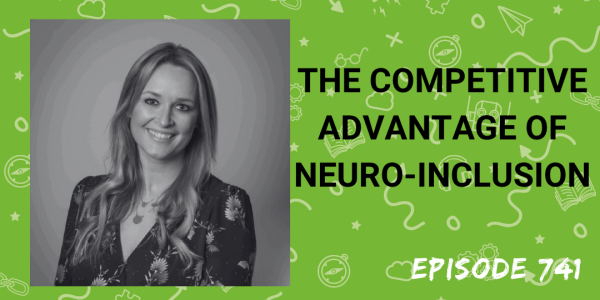
My guest this week is Pamela Kavanagh, Chief People Officer at Exogen. In our conversation, she shares practical strategies for creating workplaces where everyone can do their best work.
In the interview, we discuss:
• What neurodivergence actually means at work
• Performance enhancers instead of reasonable accommodations
• Creating psychological safety for disclosure
• Small things that make big differences and help everyone.
• Embedding inclusion in everyday operations
• Making recruiting better for everyone
• Why eye contact shouldn’t determine capability
• Making the business case to leaders
• AI and the future
Follow this podcast on Apple Podcasts.
Follow this podcast on Spotify.
Transcript
00:00
Matt Alder
As many as one in seven people in the workforce are neurodiverse with brains that work differently from the neurotypical norm. However, most workplaces and working practices are built for sameness. What if the solution to this mismatch isn’t special treatment, but designing work in a way where everyone can perform at their best? Keep listening to find out more. Support for this podcast comes from Talagy, a company that’s been helping organizations around the world find, build and grow talent for more than 75 years. Talagy combines psychology and technology to help leaders make better data driven decisions about their people. The result? Stronger teams, better performance and organizations ready for the talent challenges of tomorrow. To learn more, visit talagy.com that’s Talagy T-A-L-O-G-Y.com.
01:09
Matt Alder
There’S been more of scientific discovery, more of technical advancement and material progress in your lifetime and mine than in all the ages of history.
01:24
Matt Alder
Welcome to episode 741 of Recruiting Future with me, Matt Alder. Recruiting Future helps talent acquisition teams drive measurable impact by delivering strategic capability in foresight, influence, talent and technology. This episode is all about talent. As many as one in seven people are neurodivergent with brains that process information, communicate and work differently. Many have adhd, autism, dyslexia, or other conditions that they’ve hidden throughout their careers, masking to fit workplace norms. But creating environments where these individuals thrive isn’t about expensive accommodations or special treatment. Instead, it’s about designing work that helps everyone perform better. So how can you move beyond the awareness training to actually embedding neuro inclusion in daily operations? And how can this benefit everyone in the workforce? My guest this week is Pamela Kavanagh, Chief People Officer at Exogen.
02:32
Matt Alder
In our conversation, she shares practical strategies for creating workplaces where everyone can do their best work.
02:40
Matt Alder
Hi Pamela and welcome to the podcast.
02:43
Pamela Kavanagh
It’s so lovely to be here. Thanks Matt.
02:45
Matt Alder
It’s an absolute pleasure to be talking to you. Please could you introduce yourself and tell everyone what you do?
02:51
Pamela Kavanagh
Sure. My name is Pamela Kavanagh. I am currently the Chief People Officer for Exogen, which is an engineering company based in Dublin in Ireland. Yeah, I’ve been in HR. I’m showing my age now, but for 23 years. So I’m also an executive and business coach and I’m a qualified mediator as well with the IMI in Ireland. So yeah, it’s been a busy couple of decades.
03:17
Matt Alder
Sounds it. Tell us a little bit more about the company. How Big is it? What kind of skills people do you employ?
03:23
Pamela Kavanagh
So we are a research and development company. We are based in Dublin, our headquarters in Dublin, but we’re across three countries. So we have an office in Rugby as well in the UK and also in Prague in the Czech Republic. So small enough company, we’ve around 50 employees. But it’s very niche work. So it’s engineering and we’ve got a lot of material scientists and a lot of really senior engineers working on really mission led stuff. So it’s super interesting, really interesting group of people.
03:54
Matt Alder
We’re talking about neurodivergence in the workplace. Tell us what that actually means in a workplace context for you and your organization.
04:03
Pamela Kavanagh
I suppose sometimes people hear about neurodiversity and neurodiverse and neurodivergent, but neurodiversity really just means we all have different brains. Everybody, every human is neurodiverse. What we’re talking about is neurodivergence. When what is considered neurotypical, people deviate from what is considered neurotypical. So neurodivergence really refers to natural differences in how people’s brains process information, how they sense the world, their sensory system, how they communicate. And you’ve probably heard of all of the terms like autism, adhd, dyslexia, dyspraxia, Tourette’s, dyscalculia. There’s a lot of different conditions there. But I suppose in a workplace that means that some colleagues think differently. So some things in patterns, some in pictures, some need more quiet space, some need more movement, some hyper focus. It’s just really, I suppose, how people work and do their best job based on their brain.
05:01
Pamela Kavanagh
And for us kind of in hr, I suppose it’s about designing work to optimize that and for people to be able to do their best work.
05:09
Matt Alder
And I think one of the, perhaps one of the interesting things is certainly over the last few years, you know, more and more adults are discovering or being diagnosed with some kind of neurodivergent condition which they’ve had all their life, but they’re being diagnosed much later in life. And you know, particularly, particularly relevant for me because I was diagnosed with ADHD two years ago now, which explains.
05:32
Matt Alder
A lot of things.
05:33
Matt Alder
What does that mean for organizations though? Because it’s obviously something that’s kind of changing, you know, changing all the time.
05:40
Pamela Kavanagh
Absolutely, yeah. And your example is perfect. That’s exactly what seems to be happening. A lot of adults are now kind of discovering they are neurodivergent after maybe their child goes through an assessment process. So that’s why, you know, you see in the press there’s a always a question over what is causing this increase in neurodivergence and this increase in autism and adhd. But it’s, you know, a lot of it’s just down to awareness and better diagnostics. But I think the latest research says one in seven people are neurodivergent, which is huge. So I suppose for us in the workplace what it means is two things really. So you know, firstly there’s a lot of people in our organizations hiding and masking, you know, and to have built careers whilst masking and not being their true selves.
06:26
Pamela Kavanagh
And there’s a lot of untapped talent there already in your organizations. But secondly, I suppose it’s important that you know, any support that we’re given to employees or to adults as they discovered these diagnoses is that it’s stigma free and it’s not contingent on having a formal diagnosis. So we shouldn’t be asking employees to, you know, bring us in their assessment document or anything like that. You know, as leaders we should just be normalizing adjustments or what you might have heard of as reasonable accommodations, which I just think is a horrible term, you know, because it really implies like oh, you’re like getting an accommodate, we’re accommodating you know, you’re getting special treatment or an allowance, you know.
07:06
Pamela Kavanagh
But I much prefer the newer terms that are coming through now like performance enhancers or performance enablers where they’re available to anybody who needs them, you know, and that it’s not about labels necessarily in the same way that we make laptops and printers available to everyone so they can do their work, we should provide things like noise canceling headphones or fidget tools or adjustments to lighting or things like that, you know, so yeah, but it like at stats like that one in seven, you know, every organization has neurodivergent people whether they’re disclosing or not.
07:39
Matt Alder
It’s interesting and it really is down to get to better knowledge of it and you know, morgue diagnosis and all of those things I think to me completely explains this alleged rise and spread of all of this when all it is discovering it was there all the time. And as you say, because of that there are huge issues for organizations. And I think it’s interesting also that you said there, you know, you’re not expecting people to come in with a diagnosis because getting a Diagnosis is very hard and can be very expensive, can be very time consuming. So, you know, there are people struggling out there who may never be able to get one. So that’s kind of really good to really good to hear.
08:19
Matt Alder
Building on that, you know, as the chief people officer, you know, what is the leader’s role, the leadership role in creating the sort of the safe environment that you talked about there for people to disclose and, or for really for everyone to do their best work.
08:35
Pamela Kavanagh
Yeah, and that is it. I suppose leaders should be creating a psychologically safe environment for everyone, not just for neurodivergent employees, but it’s about creating the right conditions for people to do their best work. Like that’s what we should be aiming to do for everybody. You know, we want everybody to be able to work optimally, to be themselves, to speak openly, share ideas without kind of fear of humiliation or, you know, and similarly, if they do disclose that they’re doing that feeling safe and that it’s not going to be used against them or get in the way of their, you know, career progression. But, you know, I think in particular for neurodivergent people, that kind of psychological safety piece can show up in like, micro behaviors.
09:15
Pamela Kavanagh
And, you know, it’s important as well not to assume that all neurodivergent people have the same needs, because they don’t. You know, there’s a great expression in relation to autism. It’s like if you’ve met one autistic person, you’ve met one autistic person because it’s such a unique condition that challenges people in so many different ways. You know, it doesn’t affect everybody in the same way, but most, and I say that inverted commas, most autistic people value consistency and transparency and they like to know what to expect. So, like, things like making sure that, you know, agendas are shared for meetings. And we’re not just scheduling meetings or saying, you know, sending a vague email saying, oh, I need to talk to you on Monday and that they’re going to spend a whole weekend stressing about, oh, no, what is this about?
10:03
Matt Alder
Classic.
10:03
Pamela Kavanagh
Yeah, yeah, just being clear, you know, that’s what. And everybody, I think, would appreciate that not just neurodivergent people. We all like clarity and to know where we stand and what’s expected of us and, you know, like inviting written input after meetings or, you know, giving people extra time to think, like, this could be helpful for everybody. It’s not just specific to neurodivergent people.
10:26
Matt Alder
You know, if one in seven of your workforce is neurodivergent. But it’s like everyone, when you were talking about neurodiversity right at the beginning of hair, everyone’s brain works differently. And you know, I think that clearer communication has got to be a good thing for everyone, 100%. I see a lot of organizations talking about neuro inclusion and it doesn’t actually seem to go much beyond talking about it or raising awareness or having some training or whatever. I mean, how do you actually go from just raising awareness to actually really kind of embedding neuro inclusion in the day to day operations of the organization?
11:03
Pamela Kavanagh
Yeah, great question. I mean for sure, raising awareness is the first port of call or the first thing to do, but like, you want to make sure your approach is meaningful and authentic and it’s not just tokenistic and you know, it’s not just, oh, we’re going to raise awareness and then do absolutely nothing about what we learn, you know, or what’s, you know, because that’s the beauty of this. Like when you start raising awareness, that’s when you really start learning who’s who and understanding your team better. And certainly for us, when we start doing kind of sessions here on raising awareness, that’s when people start coming forward and saying, actually, you know, I am ADHD or I’m autistic or you know, they’re really appreciative of having the opportunity to say it.
11:47
Pamela Kavanagh
But in terms of kind of embedding it in the culture and the day to day operations, like the first thing I would say is look at your policies. You know, a lot of neurodivergent people don’t follow that linear path. And you know, but turning your policies into checklists that are actually useful, you know, instead of just historic or we just have them, you know, so simple things like even your onboarding policy or when you’re bringing people into the company, like are you asking about kind of any sense of your communication preferences at that point? You know, straight away that’s sending a message to this person. This is a safe, inclusive place. They’re asking me questions about what’s my preferred style of communication.
12:27
Pamela Kavanagh
Like, you know, and again, a lot of organizations are doing this and certainly after Covid, there’s been a big shift in how we expect people to turn up for work or you know, working from home. But adjusting working times or the time that people can arrive to work makes a huge difference to the start of someone’s Day, like having the opportunity to avoid a busy commute on public transport, you know, not having to go into that sensory overload of, you know, traffic congestion or whatever can really make a complete difference to the start of someone’s day, you know. And back to kind of like what I shared earlier about the sharing agendas in advance or having captions on calls, you know, having quiet rooms and offices, just having space. And again, for everybody can enjoy this.
13:15
Pamela Kavanagh
Everybody can benefit from this, not just our neurodivergent employees. Multiple feedback channels, you know, adding neuro inclusion to your leadership agenda, you know, talking about it, openly measuring it through your DEI metrics, you know, and making sure that your HR team or wherever it is, have a fund, you know, so if they need to make small adjustments for things like buying noise, canceling headsets, or, you know, allowing for these things to happen and to be budgeted for, that’s kind of how you bring it into the day to day. But you don’t have to keep. We don’t have to talk about it as this is for our neurodivergent employees. This is just for everybody, you know.
13:54
Matt Alder
Yeah, absolutely.
13:56
Pamela Kavanagh
You know, all of these adjustments, or whatever you want to call them, can benefit everybody. I saw one of those memes a few weeks ago now, and it was slightly off topic, but it was an image of a child in a wheelchair outside a new building. And there was a flight of stairs, and the builders were there, and there was loads of people, and the builders are working on building the stairs. And the mother says to the builder, you know, when are you going to build a ramp? And they were like, when we finish building the stairs. And she said, but everybody can use the ramp.
14:28
Matt Alder
This is such a, kind of a powerful.
14:30
Pamela Kavanagh
It was a really powerful image. I just looked and I was like, that’s so clever, you know, that it’s just saying everybody can use the ramp. Why are you just, you know, making things harder for some people?
14:39
Matt Alder
Yeah, exactly. And I suppose, you know, we. We hear the phrase reasonable accommodations and, you know, it kind of sounds bureaucratic. Some people can find that patronizing. I think there’s confusion about what that actually means. I mean, how do you sort of frame the support that you offer in. In your organization? I think you’ve kind of alluded to it a few times, but just dig into that a little bit for us.
15:00
Pamela Kavanagh
Yeah. And like, look, when we started on this journey and started looking at our policies, we had reasonable accommodations in there. And we did say, you know, go to this person if you need an accommodation or you need this. And it was only as I started to learn more and, you know, started to talk to people in the organization more that I was saying, that’s really negative language, you know, so just calling them performance enhancers, you know. So we just bought a ton of stuff. It’s all just sits in our stock room. People don’t have to come and ask for it. You know, we’re not making it difficult for them. You know, they’re there, they’re available to everybody. Anybody who would like a noise canceling headset or anybody who would like.
15:34
Pamela Kavanagh
We also bought those little loops, you know, those, the inner ear ones that are just for quietening things down. They don’t completely block out the noise, but they just kind of muffle it a little bit. And we’ve a ton of like fidget tools everywhere in the meeting rooms, you know, so a meeting goes on long and you’ve got someone who struggles to kind of maintain attention or sit still for that long. They can just, you know, have that little distraction. So, yeah, they’re small design choices that, you know, help people deliver at their best. Again, like I said earlier on, it’s no different to giving a salesperson a CRM system or, you know, a faster laptop to a developer. Like just asking the question, what helps and what hinders.
16:13
Matt Alder
The flip side of that is are there occasions where someone needs an accommodation that is just impossible or unreasonable or, you know, is there another side to that?
16:24
Pamela Kavanagh
Possibly. It’s not something I’ve come across thankfully, but, you know, it does need to be. You know, we’re operating businesses as well. You know, if someone says, for example, I find it hard tolerate the workplace and I want to work from home five days a week, if that doesn’t work for the business, you know, that’s okay to say. You know, we don’t have to be scared of these conversations. You know, we work with the employee to come to the best solution that we can. But, you know, it is obviously a bit of give and take and we do have to, you know, ensure that the needs of the business are also met.
16:58
Matt Alder
It’s about being upfront with that because ultimately when someone’s deciding where they’re going.
17:02
Matt Alder
To work, it’s their choice as well.
17:04
Matt Alder
So if it is a company that has a policy that you can’t work five days at home a week, then that becomes part of the choice, doesn’t it? It’s just I supp being upfront about that and clear about those kind of things.
17:14
Pamela Kavanagh
And that’s back to that clarity piece that we spoke about earlier on. You know, that just making sure that your policies are clear or, you know, a conversation like that should be happening in your hiring process or in your interview process. What are the expectations? You know, so there’s no ambiguity over, oh, I thought when I took this job that, you know, you’d. Flexible working. What does that actually mean? You know, were we very clear about what we’re capable of doing in this organization, or are we just trying to, you know, enhance or pretty up our EVP to kind of say, oh, flexible working on offer in what way?
17:49
Matt Alder
You know, I think it’s interesting that the more I’ve dived into this topic, the more it’s become clear that a.
17:55
Matt Alder
Lot of the time, if not most.
17:57
Matt Alder
Of the time, we’re talking about very small things. It’s not, it’s rarely big things. It is things like a later start time or, you know, more clarity or, you know, whatever that. That might be. You’re obviously very passionate about this. What have you kind of learned personally on this journey? What, you know, what sort of particular moments have made you think differently about neurodivergence in your organization?
18:22
Pamela Kavanagh
I think probably one of the biggest things was for me, like I said, when we start having the conversations internally and people started to disclose, and I realized we have quite the neurospicy group here, you know, and engineers, obviously there can be a high rate of neurodivergence because they’ve got that amazing ability to really think outside the box and, you know, really innovative and creative and not follow, you know, typical paths or I was looking for, you know, a different way. But after that kind of the first neurodivergence in the workplace talks that we gave, I had an email from an employee thanking me. And it was the nicest email. And it was just, you know, I feel so safe and thank you for making me feel so comfortable to disclose. But all I felt was guilty.
19:08
Pamela Kavanagh
I was like, oh my God, you’ve been here like three years. Like, why did you not feel comfortable to disclose before now? You know, And I really made me kind of wonder how it must feel to experience the workplace or a new workplace. Like, I think none of us, neurotypical or otherwise, enjoy starting a new job, right? We all want to fast forward six months and be settled and know what we’re doing and know everybody. It’s hard enough, you know, but coming into a new environment or a new workplace or Just your normal workplace every day pretending or masking, as it’s termed, and not really being able to be yourself. Like, how tiring must that be? You must be absolutely drained by the end of the day.
19:53
Pamela Kavanagh
You know, really trying to make eye contact or really trying to be social or, you know, being forced into a team meeting with 15 other people in the room and your sensory system is overwhelmed and your nervous system is overwhelmed. Like, it just really made me think more about wanting people to be thriving in the workplace. Not just surviving their day, you know, but like really, like feeling safe, feeling included, feeling that they can be themselves and nobody’s going to bat an eyelid if they say, you know what? I’m going to join this meet from my desk instead of sitting here with everybody or whatever it might be, whatever they need.
20:31
Matt Alder
Let’s talk about the recruitment process. Because there are almost like traditional aspects of the recruitment process that are always, maybe it’s, you know, unintentionally biased against neurodivergent candidates there. You know, you, when you mentioned eye contact there, that’s an absolute, you know, classic for me. It’s something that I have, I struggle with when I meet people for the first time. Which means that, you know, many times I’ve had interviews, yeah, I’ve been judged not on the quality of what I can do, but the impression that I’ve left people with. What are your sort of views on the hiring practices and what changes have you seen or what would you like to see happen to make recruiting more neuro inclusive?
21:09
Pamela Kavanagh
Yeah, no, I totally agree with you. I think it is. Our traditional processes are unintentionally biased, you know, and, you know, it’s. Some of us have just got these historic ways of how we hire people and we’re not maybe considering kind of how we could frame it better. And it’s everything from our job ads again, back to kind of the employee value proposition or how we’re trying to kind of, you know, dress things up and make things look amazing without being actually really clear.
21:34
Pamela Kavanagh
And like, our things that we are asking of people or, you know, those soft skill cliches, excellent communication, you know, a multitasker, you know, and looking for someone with a good cultural fit or all of these things, like, instead of actually listing what are the actual outputs we’re looking for this role, what are the success measures, you know, what are kind of separating those like, must haves from the nice to haves, like. And then, you know, larger organizations have their, you know, ATS filters, you know, so Those kind of non standard cvs get auto rejected straight away. Like whereas wouldn’t it be great to kind of allow for skills portfolios or you know, profiles or things like that to be submitted?
22:15
Pamela Kavanagh
Like one thing that we do here is work sample tests and that makes a huge difference because it takes the pressure off the interview a little bit and we always communicate at the very start of the process. This is what our hiring process looks like. So if someone knows, you know what, probably not going to do great in the interview, but I will nail that work sample test if I can get in there. You know, that can kind of change their confidence straight away.
22:36
Pamela Kavanagh
Like, you know, sometimes we tend to just pick up the phone and call people when we have their CV and it’s kind off the cuff and they weren’t expecting it and then you’re, they’re relying on real time variable processing and saying the right thing in the moment and you know, like you say, trying to get that good impression forward. Like, like our interviews really need to be structured and I know this is kind of a standard thing that most companies do now and make sure that they do have a very structured interview, but you need to remove that bias from the interviewer as well. You know, affinity bias, you know, all of these things.
23:12
Pamela Kavanagh
You know, when, if someone’s sitting across someone that they just don’t connect with maybe or to your point, doesn’t have good eye contact and you know, they’re not really following a very structured pattern to that interview. You know, with score, content over style, kind of, you know, using like rubrics and making sure you know, this is the best person for the job. Not necessarily, you know, who I got on with best in the interview, you know, and back to that clarity piece as well. Like making sure they know what to expect, who they’re meeting. You know, I will always send a candidate an email with this is who you’re meeting with their LinkedIn profile attached. So they even see a photograph of the person they’re going to be meeting. So they really know what to expect and who they are.
23:56
Pamela Kavanagh
So no last minute changes. You know where someone comes into an interview and it’s like, oh, sorry, I know you said you were going to be meeting with Pamela and Joe, but now you’re meeting with Diana and Shane and you know, it’s just something that can throw people off unnecessarily. We do also use psychometrics here and I, I’m a big fan, I do like psychometrics but I’m also very conscious that those timed psychometrics can create a challenge for neurodivergent people who might just need more processing time, you know, and a lot of those psychometrics are time bound. You know, you can answer so many questions in eight minutes or whatever it is.
24:32
Pamela Kavanagh
So you know, again, the fact that we have the work sample test there and you know, you could do job relevant work trials and things like that to kind of give people every opportunity to show their best self. So there’s a lot, you know, there’s a lot of things in the recruitment process, not to mention the end of the recruitment process when they don’t get the job. Are we given good feedback? You know, are we really giving good feedback or are we just given these vague rejections, you know, and not actually sharing like one or two specific gaps, you know, where possible, you know, to build that trust, you know, 100%.
25:06
Matt Alder
And I think, you know, certainly I’m very passionate about this. I think more than anywhere if you make your recruiting, hiring process neuro inclusive, you’re making it better and fairer for everyone and you’ll be better at hiring. And it’s just, it kind of just for all the reasons that you said. There was nothing that you said there that wouldn’t benefit everyone going through a recruitment process. So I think that is just such a key point for me. Obviously, as we say, it’s really been the sort of, the last few years that this is, this has ramped up as more and more people have been diagnosed or prepared to disclose or you know, discovered what’s been going on their brain all these, all these decades.
25:48
Matt Alder
Some organizations, some leaders still see this as a kind of a moral or an HR issue rather than a business advantage. I mean, how do you make the case for being neuro inclusive at board level as a specific business advantage?
26:05
Pamela Kavanagh
Yeah, isn’t that wild? Actually when you think about it like, you know that this is seen as a, you know, I can be seen as a kind of charitable thing. And you’re like, oh my God, like look at all of the leaders and you know, the organizations in the work who are ran by neurodivergent people and that’s why they’ve been so successful. You know, you’ve got Bill Gates, Elon Musk for whatever you think of them.
26:26
Matt Alder
Yeah, Richard Branson, just like.
26:28
Pamela Kavanagh
Yeah, so many, many. And I read an article in the newspaper actually a few weeks ago and I think it was Hewlett Packard Group, their CEO said no other initiative that they ran has like reaped so many rewards in their company than their kind of neuro inclusion stuff. But yeah, like, I think, you know, there’s definitely three probably points like in terms of like the risk to the company. So lower turnover for sure. Fewer grievances, better compliance. People are happier, they’re more content, they feel cared for. Mattering is a very topical thing in nature at the moment.
27:08
Pamela Kavanagh
Like, you know, making people feel that they matter, you know, and that they are included and involved, like is naturally going to decrease your turnover and you know, have fewer grievances in the organization and productivity then as well, you know, people are, have a better work environment and a more optimal work environment for them. There is going to be higher productivity, you know, fewer defects, probably better problem solving, you know, people, if people are allowed bring that neurodivergence to the workplace and are open with it, you know, that’s better problem solving, better innovation certainly for us in R D. That’s what we live and breathe here, you know, and that’s what we really need.
27:51
Pamela Kavanagh
But then your reputation as well, you know, back to, I keep saying evp, but back to your value proposition like accessing that talent pool like that other competitors are overlooking, you know, so there’s loads and you can use all your metrics and your, you know, your time to fill and different things like that, you know, your retention data to kind of sell it to the board. But you know, should you have to. Not really.
28:15
Matt Alder
Final question for you.
28:16
Matt Alder
So, you know, looking ahead a bit.
28:18
Matt Alder
To the, to the future, you know, what do you think that the future for neurodiversity at work looks like, particularly with AI automation really kind of reshaping job skills and work in general. Potentially.
28:32
Pamela Kavanagh
Good point actually. Yeah. Because you know, if you think about it kind of with AI coming in, the people, the very people that we’re going to need in our organizations are those people that are thinking outside the box, you know, and that really creative that you do see so much in autistic and ADHD people where they can really lean into that outside the box thinking. That is going to be critical now because AI absolutely is going to reshape jobs. Work will definitely become more modular and more assistive and AI can act as a cognitive co pilot of course, you know, and can summarize meetings and structure tasks and do all this great stuff for us and it. And you know, I’m a big fan, it’s great. But it is going to really change how roles are designed, you know, around strengths.
29:16
Pamela Kavanagh
And those particular strengths that can come from the neurodivergent community, like intense focus, pattern spotting. You know, all of that stuff is going to be what we’ll really rely on, I think, going forward.
29:30
Matt Alder
Makes perfect sense to me. Pamela, thank you so much for talking to me.
29:34
Pamela Kavanagh
No worries. It was great to share some thoughts with you today. Thanks for having me.
29:39
Matt Alder
My thanks to Pamela. You can follow this podcast on Apple Podcasts on Spotify, or wherever you listen to your podcasts. You can search through all the past episodes@recruitingfuture.com where you can also subscribe to our weekly newsletter, Recruiting Future Feast, and get the inside track on everything that’s coming up on the show. Thanks very much for listening. I’ll be back next time, and I hope you’ll join me.