One of the most critical success factors for any in house recruitment team is the quality of relationship they have with their hiring managers. Despite being a key issue for pretty much every employer it is not something that gets written or spoken about in public very often.
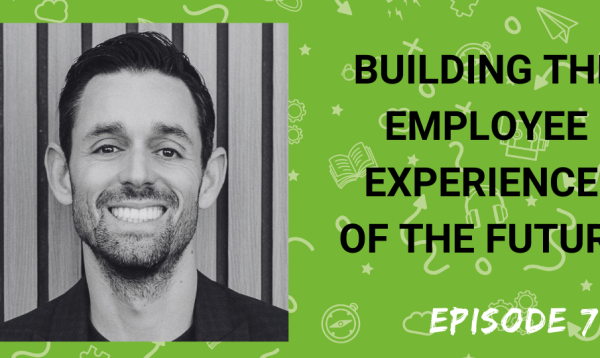
I’m delighted to have John Vlastelica from Recruiting Toolbox as my guest for this episode. Before founding Recruiting Toolbox John was Director of Recruiting at Amazon and Head of Global Recruiting at Expedia. He is passionate about helping recruiters to improve hiring manager engagement and now trains in house recruiting teams all over the world.
In the interview we discuss:
• Why hiring manager engagement is the secret sauce to recruiting success
• How to influence hiring managers by speaking their language and pressing the pain button
• The two most important things hiring managers care about
• Common mistakes recruiters make when trying to influence hiring managers
• The one key factor that drives the improvement of the candidate experience
John also share his thoughts on the differences in recruiting behaviour across different industries as well as the changes and innovations we can expect to see during 2016.
Subscribe to this podcast in iTunes

Transcript:
Matt Alder [00:00:00]:
Support for this podcast comes from Broadbean, a smart, innovative global recruitment technology business, which helps recruiters to reach candidates in a fast, effective and efficient way. I recently spoke with their client, James Purvis, Head of Talent Acquisition at cern, to find out what he loves about Broadbean.
James Purvis [00:00:19]:
What I love about Broadbean is the ability to take decisions based on data. So instead of having to believe what the vendors provide you in terms of their information of how many candidates they’re going to bring to you, you can really use the metrics of the tool to understand how many of the clicks turn into applications, how many of those applicants turn into interviews, and how many become higher. So it’s all about evaluating the quality and not just the quantity.
Matt Alder [00:00:41]:
To find out more, go to www.broadbean.com.
Matt Alder [00:01:03]:
Hi everyone, this is Matt Alder. Welcome to episode 37 of the Recruiting Future podcast. For this first episode of the new year, I’m delighted to bring you an interview with the fantastic John Vlastelica from Recruiting Toolbox. John is the former director of recruiting of a number of famous tech businesses and is passionate about building better engagement between recruiters and hiring managers. Here are his thoughts. Hi and welcome to another Recruiting Future podcast interview. My guest this week is John Vasdolika. Hi John, how are you?
John Vlastelica [00:01:40]:
I’m great. How are you, Matt?
Matt Alder [00:01:42]:
Yeah, very good indeed. Very good indeed. Could you tell us a little bit about yourself, what you do and how you get to how you’ve got to do it?
John Vlastelica [00:01:51]:
Sure. I started in recruitment on the corporate side and worked at some kind of brand name companies here in Seattle, Washington where I’m based. Worked at Amazon.com for six years, was hired at 28 to build and run the tech recruiting function for a company that became just a monster of a company and was the head of global recruiting at Expedia. And so I come from the corporate side. I spent about 10 years in kind of recruiting leadership roles and about 10 years now leading a consulting and training firm called Recruiting Toolbox. And we are not headhunters, we don’t do contract recruiting. We don’t sell anything other than consulting services to help companies improve their recruiting capabilities. So we do work around sourcing, strategy, process, hiring, manager toolkits, branding, and then about two thirds of our business the last few years has been training and we build custom hands on training programs for hiring managers, for interviewers, recruiters and Recruiting leaders. So get to do a lot of interesting work with a lot of interesting companies.
Matt Alder [00:02:52]:
Now, one of the things that you’re known for and you present on a lot, that you write a lot, you kind of mentioned it in the introduction, is the whole consulting around how recruiters engage with hiring managers. Why is that such a key topic for you?
John Vlastelica [00:03:12]:
When I look at the recruiting teams that are most amazing, that are most effective, that have the best metrics, the best outcomes for their companies, I got to be honest, I don’t want to take anything away from great recruiters because there’s no question great recruiters are differentiators for companies. But it’s typically even more because the hiring managers are engaged. They don’t just show up to work engaged. It’s often because the recruiters are really good at getting the hiring managers engaged. Hiring manager engagement is really the secret sauce to great recruiting. It’s really what drives speed, it’s what drives quality. And that’s really what the organization cares most about. I’m very passionate about this topic because frankly, I’ve worked at organizations as a practitioner that haven’t had that. I didn’t know that I didn’t have it until I went to a company that had it and I helped to build it. Once you have it, it makes your life. It’s just awesome. It’s fantastic. As a recruiter, the business, the kind of getting up and being excited about going to work every business when they’re engaged, it makes our job so much more fun. It allows us to create a totally different kind of candidate experience. It allows us to attract and source totally different kind of talent than if it’s just the recruiter struggling every day to pitch resumes at a disengaged hiring manager who’s just waiting for everything on a silver platter, who doesn’t follow up and give you feedback, who doesn’t take interviews seriously, who doesn’t get involved in the close, that’s, that’s just not fun. I mean, it’s part of our job. So welcome to recruiting. You’re always going to have some like that. But the more hiring managers you can turn into partners that you can get engaged, the better for everyone. Everyone wins when that happens.
Matt Alder [00:04:50]:
I know it’s something that is a problem for a lot of in house recruiters that they don’t have that, that, that level of engagement and maybe they don’t have the right, the right steps to, the right steps to build it. What, what would you say the sort of, the key to kind of improving Those relationships, to building those relationships, to getting the kind of outcomes that you’ve just mentioned.
John Vlastelica [00:05:16]:
I joke a lot about this and talk about how to manipulate hiring managers. I use the word manipulate more for comedic effect, but influence. Having the skills to influence managers to get them engaged is key. And I’ll tell you one of the things or several things. But one of the things that I think is most important is when we’re trying to engage managers in the recruitment process, it’s really important that you know how to frame things so it doesn’t sound like you’re passing tasks to the manager. One of the things that I think great recruiting leaders do, and particularly well, is that they’re able to engage managers around the things that managers care about. If I’m trying to influence you, Matt, I need to know what your motivators are. I need to not just speak the language of the business, but I need to know what’s important to you. If I’m completely pitching this as something that helps me in my job and doesn’t sound like it’s helping you and your job, I’m not going to get very far in trying to get you to change your behavior. So one of the primary things we talk about is how do you do one of two things. How do you speak to the pain if managers. Hiring managers are not in pain. If they don’t have pain, if they don’t perceive they have pain, if they’re feeling like, hey, recruiting is going okay, I’m happy with the level of talent I’m getting. I’m happy with positions staying open over 100 days. I’m fine with the fact that I’m losing candidates through the process, which I’m being a little bit sarcastic when I say that, but I’ve heard managers that just aren’t engaged, they just don’t seem to care that much. There’s no real risk to them. There seems like there’s always candidates. Maybe they hire a lot of internals, they convert contracts, contractors, whatever. Those are really hard to engage with. Those are really hard to influence. Most managers, however, hiring managers have pain. If you can speak to the pain, if you can highlight the pain, if you can even press the pain button on them a little bit, that helps. The second thing is when you’re trying to influence them, if you’re speaking the language of speed and quality, you’re speaking the language of the hiring manager. When you’re talking about compliance, process, cost, even things like source of hire, they just don’t care. If you deliver speed and quality. You’re winning. If you’re not delivering speed and quality, you’re not. And so everything you’re trying to get them to do should be tied back to what they care about, which is speed and quality. We’ve had the opportunity in 10 years to talk to thousands of hiring managers across the globe. When we talk to hiring managers in focus groups, when we’re in the room training them, that’s what they tell us over and over and over again across industries, across geographies, is speed and quality is what they want. So when I’m trying to engage a manager to do something, I need to help them see how this is going to. To help them get better talent faster. And I know that sounds basic, but it’s amazing. When we do training with recruiters and recruiting leaders and we do scenarios and we do role plays, very few recruiters have really mastered that skill. It’s not that it’s hard, it’s just it’s not how sometimes our brains are oriented. We’re just more likely to talk about what’s important to us and frame it may be a little too much in the. This is the process. You have to do this because this is the compliance says we have to tick this box or whatever. When you really focus on that speed and quality, managers are now leaning into the conversation as opposed to leaning away. Does that make sense?
Matt Alder [00:08:13]:
Yeah, that makes perfect sense. What do you think? You obviously sort of did talk there about framing the conversation and understanding the manager’s pain points. What other mistakes do you think recruiters make in this area?
John Vlastelica [00:08:30]:
I think there’s a lot of. I mentioned one of these source of hire. I think one of the things that recruiters sometimes fail to do is to take metrics or information that’s important to the proper running of a recruiting function and share those publicly as if they matter a lot to hiring managers. One of the things that I get a little bit repetitive, but it’s just so important. One of the things that I say to folks all the time is managers are not going to be getting in our business. They’re not going to want to see reports and metrics and details if we’re delivering speed and quality. When managers, hiring managers start asking for reports and detailed status updates, it’s typically because we’re not delivering speed and quality. So one of the mistakes I see is that there becomes this defensive posture between the recruiter and the hiring manager. When the hiring manager starts asking a lot of questions, recruiters get defensive and start producing reports. And I think the reports we Produce are often not again framed around what the manager cares most about their generic status reports. There’s source of hire, average time to fill numbers. None of that stuff is language the manager cares about. What the manager cares about is one metric and one metric only and that’s hires versus plan. How are we doing relative to the plan, to the target, to the expectation you set? For me, when it feels like we’re delivering quality talent quickly and we’re on track on that plan, managers back off. They’re not micromanaging us, they’re not in our space because recruiters don’t set it up the right way. At the beginning of the conversation to set the expectation with the manager that basically without sounding stupid and telling them what they’re supposed to care about, you kind of assume, and you probably rightly assume that they care about hires versus plan and they care about speed and quality. Instead of getting that conversation started with a focus on those two things, they end up kind of opening up everything to the manager. And then some managers just get curious. I’d like to know managers don’t care about speed and quality or don’t care about source of hire. When we’ve talked to hiring managers again all over the place. If you can run a job advert and you can get good quality candidates from a simple free posting on a local job board, they don’t care as long as the candidate’s good and you got it to them quickly. They don’t care. They don’t need to see the pyrotechnic boolean search string that’s behind this. They don’t need to know that you direct source. They don’t really care if you’re using low hanging fruit as long as you’re getting them the quality they want and the speed. But that’s not what we talk about within our industry. We talk about their industry as you’re not a real recruiter unless you’re a direct sourcing machine and passive candidates are better than active candidates. And really active candidates suck is what we talk about in our industry. Hiring managers don’t think that, they just care about quality. Quickly.
Matt Alder [00:11:11]:
Yeah, absolutely. I think that I completely agree with you. I think one of the other interesting things things is whenever I’m talking to companies about things like, well, no, about candidate experience. Hiring managers are always kind of blamed as being the people who sort of ruin candidate experience. And you know, obviously the best recruiters are trying to sort of take ownership and influence in that process. What would be your advice for are influencing and engaging with Hiring managers around candidate experience improvement.
John Vlastelica [00:11:51]:
You know, there’s a few things. One, I think hiring managers. Well, I’ll set this up by just saying misalignment is the root of all evil in recruiting. It is absolutely the root of all evil in recruiting. And so one of the ways you create better candidate experience is for the hiring manager to help create alignment on his or her interviewing team and alignment between him or her and the recruiter. And so it sounds really basic, but just getting everyone on, on the same page, on what good looks like, just defining our hiring bar has a huge impact on candidate experience. We do candidate experience projects for companies where we’ll do secret shopper, we’ll audit their candidate experience. We’ve been judges for candidate experience awards. I’ve done presentations, keynotes at conferences on this topic many years ago, before it became the new thing. One of the things I talk about all the time is one of the primary things we hear from candidate focus groups that we do and from these projects that we do is that candidates will run, run for the hills if they come in and sense that the interviewing team is not on the same page. That success is not well defined for this role. I think when you talk to hiring managers about the importance of getting their team aligned, if you phrase it the right way, and the language I usually use is, we could really use your leadership on this versus just saying, hey, it’s critical. We have a great candidate experience. Look at Glassdoor. Look at all this data. We talk about using their leadership, which is a manipulative phrase, but it’s very effective getting them to engage and lead around this and talk about the importance of getting them on the same page with their team. And depending on your process and your culture, getting the hiring manager aligned with his or her manager, because that person can often sweep in and step in and all of a sudden change what they’re looking for. No, we need an MBA from a pedigreed school, and that’s really important to us. Or they have to have a computer science degree versus not having a computer science degree. Whatever it is. Getting really good alignment is one way to do that. And I think that’s an area where we have have huge opportunity. I’m working with a client right now on their interviewing process. We do a lot of work around that. It’s really interesting because when we did focus group conversations with the company, we talked to hiring managers, interviewers, candidates, executives, but we’re talking to some recent hires, and they said it was really interesting because the interviewing model, the process that was used looked nothing like what it’s actually like to work here. I said, what do you mean? And they said, well, well, in the interview, it was a lot of. The interviewer asks a question, we provide an answer, they write notes, the interviewer asks another question, we provide an answer. The interviewer says, go to the whiteboard, map this out. We do it, they write it down, they maybe ask some clarifying questions. When you actually work here, it’s incredibly collaborative. There’s rarely a situation where you’re engaging with someone else, where you’re not partnering on a problem solve, where it’s not one person asking another person for something, or it’s not like someone throws something over the wall. You work on it and then you throw it back over the wall. People do paired program example. People are working in small agile teams. It’s all about the team. And the interviewing process did not reflect that at all. One of the other things that you can do is to help hiring managers understand how we can create an interviewing process as an example that better reflects the reality of working here, which will also help candidates kind of on the selling side. It’ll help candidates understand what they’re getting into, what they’re walking into, what it’s really like to work here. It can be an incredibly helpful sales tactic for the right kind of candidate. And just as importantly, it can be kind of a detractor for the wrong kind of candidate. Some candidates will opt out of that and not like that. They come into interview and it’s not a traditional canned interview. I ask you canned questions, you answer with canned answers. They won’t like how collaborative it is. They won’t like someone sitting next to them. They don’t want to do paired programming. They don’t want to get feedback real time during their interview on how they’re doing or have someone try and help improve things. You can start to see how the interviewing process itself can become a good preview into what it’s like to actually work there. Managers, they get that. Smart ones really get that. Does that make sense?
Matt Alder [00:15:50]:
Yeah, it makes perfect sense. And I completely get the bit around the kind of the authenticity of the experience in terms of hiring manager engagement, who’s doing this really, really well. What great examples have you seen out there of this in practice?
John Vlastelica [00:16:10]:
What’s interesting about engagement is I don’t think companies actually do anything really well. There’s individual recruiters and recruiting leaders and teams that are doing this really. I gave some examples recently at the HR Tech conference in Paris. I did a keynote session on this very topic, which is the secret sauce to great recruiting, which is this engagement thing. I gave some examples of some companies that are doing things well. T Mobile, which US headquarters are based here in Seattle, where I am, one of the things that they’ve done is they’ve put together bring your own referral parties with new hires. The idea being that you show up to a meeting, we maybe have an executive buy pizza for everyone. You sit around the room with some new hires rather than just describing the employee referral program and having the poster and pray approach, which is where you just put up posters about employee referrals and hope people are every morning going in and checking your crappy career site and searching through all the open jobs and making referrals. You actually solicit referrals from people who have been recently hired who are more likely to still be connected to the outside world. You do it. You bribe them with pizza as a start and you also have the executive talk about how each one of them fits into the organization and where we have the greatest hiring needs. It feels more like a business led conversation than having your employees, referral program manager come in or recruiter come in and say please tell us who you know. That’s an example. We had worked with Groupon which is Chicago based but is all over the world now. And one of the things that one of the recruiting leaders did there is they did LinkedIn InMail campaigns and they actually wrote them from the hiring manager or got the hiring managers to send out pre written LinkedIn inmails and this is a fairly common practice now. They found they had a 3 to 5x better response rate. That took a recruiter, recruiter sitting down with hiring managers and showing them what kind of responses or more importantly lack of responses they were getting when they sent out messages as a recruiter and then showing them what kind of responses they can get by writing it, by making it easy, managers just did it. If you make it easy, they’ll do it. Yahoo we worked with for many years and Yahoo had hiring teams invest in one week sourcing sprints where they were under a lot of pain. The CEO needed them to rent, ramp up their mobile team for example and they would pull people out of the business and put them in kind of a war room. And they would sit them down and they’d feed them, they would engage with them. Laptops open, everyone is sourcing, numbers are on the whiteboard. It’s real time. It’s now, people are responding back. There’s schedulers running to get things scheduled. Phenomenal. Sourcing Sprint ROI from this. Now it took a lot of engagement to get to that and it took some pain to get to that. And it wasn’t just because recruiting was under resourced. It was because they could do it faster. They could get better quality talent faster through sourcing sprints and they were able to demonstrate it in a pilot and then expand it to other teams. Those are some examples. Those good examples for you?
Matt Alder [00:19:03]:
Yeah. Thank you, that’s great. You mentioned Paris there and I know you’ve been doing a lot of traveling in the last few weeks and probably for most of the year I would imagine. Do you notice any sort of key differences in different countries when it comes to this kind of of thing?
John Vlastelica [00:19:24]:
Yeah, it’s interesting. There’s no question that about half our clients are tech and there’s no question this is not a geography thing. But I’ll say that Seattle, where I live, Silicon Valley, Boston, some of the major tech hubs in the U.S. i notice there’s a much, much higher level of engagement with hiring managers compared to non tech companies in the us. There’s more pain around that, there’s more visibility. Frankly the impact one software engineer can make on an organization is much higher. When I go outside the U.S. for example, I in Moscow a couple months ago, I was in Amsterdam, obviously Paris, you mentioned London. When I’m doing travels, I was in Abu Dhabi a few years ago, Sydney and I’m around. I don’t see that same level of engagement. Some of that is because there isn’t the same pain. Some of it is because the in house recruiter and the hiring manager still depend a lot on outside third party agency recruiters. But I don’t see that level of engagement except in pockets of tech outside the us. What I’ve seen more traditionally is that kind of customer service oriented recruiter, a little bit more of a people pleaser recruiter. Sometimes it’s an HR generalist recruiter who is just trying to do their best to juggle a million things. And there isn’t really the process leadership. There really isn’t the level of engagement not because managers aren’t willing to do it. They haven’t been sold on the idea yet. That’s an example of something I see that that feels different and it’s hard to get geography specific. I wouldn’t want to generalize and say Russians are like this and Brits are like this and Parisians are like that. But I do definitely see some differences just generally in the overall view on what Is the role of the recruiter? What is the role of the hiring manager? I think it’s probably closest to what I’m describing in the US and the tech hubs and outside the tech hubs in the U.S. even it’s a little more traditional.
Matt Alder [00:21:13]:
Yeah, I think that makes sense. I’ve just talked done a big bit of research into tech recruitment and I think it’s, you know, it kind of gets driven slightly differently. Definitely. Final question. What can we sort of expect of 2016? What have you got on your radar in terms of trends and the way that the industry might move forward?
John Vlastelica [00:21:40]:
That’s a good question. There’s a few things I think, I think this is a basic thing, but it’s interesting. There was so much consolidation in the applicant tracking system space and Oracle and IBM and others buying up everything. I’m seeing a lot of these smaller firms, the greenhouse smart recruiters lever that are taking business away from very frustrated talent acquisition leaders and introducing much more collaborative, kind of like what I’ve been talking about, more collaborative model. The tool not only supports but encourages more collaboration between hiring managers, interviewers and the recruiter. It’s not that that’s a new thing, but I think it’s something that we’re going to see a lot more of in 2016 as people getting rid of their existing traditional rec resume based model and moving to something that’s much more collaborative, has much better interview tracking tools kind of built in. I also think there’s this movement along those lines and on our topic here of just having managers own more managers. I don’t know who told hiring managers about passive candidates and pipelines, but managers know this language now and it kind of pisses me off because that was kind of our secret to use that language. And now hiring managers are like, we want pipelines. I’m like, what is a pipeline to you? I don’t know, but I want one. And that’s a little bit of the orientation. We want passive candidates. Why better? Who told you that? Lou Adler. I’m like, great, thanks Lou. But there’s a lot of focus on this. The hiring managers are now seeing further into the funnel. They’re asking deeper questions, they’re getting access to better data. They’re grabbing hold of the reins from recruiting teams that are not doing enough. I think we’re going to continue to see that. I think one of the challenges we’re going to have. I had this challenge at Amazon. I was there for six years and we had the most engaged hiring manager community. I’ve ever seen in my life to this day at scale. I’ve seen small little startups have it, but I’ve never seen a company at scale have it. It’s really interesting how you have to be really careful because you don’t want to completely let go of the reins. You don’t want hiring managers creating their own university programs and going on campuses that you don’t even know about. Which, by the way, happened to me. You don’t necessarily want hiring managers buying their own job board licenses, which happened to me. You don’t want hiring managers hiring their own contract recruiters that live outside of recruitment recruiting, which happened to me. When you take this whole engagement thing and it goes a little bit too far, you can end up with some kind of crazy outcomes. I do think that that is the direction things are heading, though. I think more and more of the tools, more and more of the discussions are around how do we fully leverage hiring managers and interviewers and employees around recruitment. Create a culture of recruitment. I feel like that is something that has been coming together the last few years and will start to really crystallize in 2016. I think a lot of the new tools that are out are going to enable that.
Matt Alder [00:24:38]:
John, thank you very much for talking to me.
John Vlastelica [00:24:41]:
You’re welcome. Yeah, great talking to you, Matt.
Matt Alder [00:24:43]:
My thanks to John Vlastelica. You can subscribe to this podcast on itunes and on Stitcher. You can listen to past episodes, subscribe to the mailing list, and find out more about me at www.rfpodcast.com. thanks very much for listening. I’ll be back next week and I hope you’ll join. Join me.